


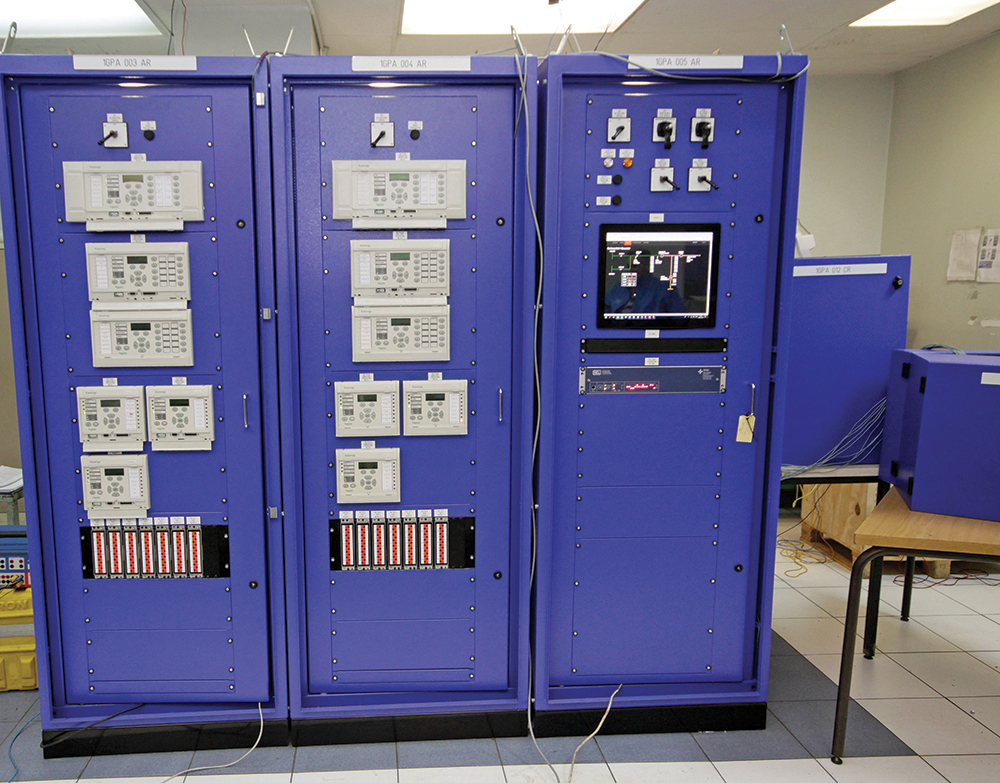
Grid management systems are the linchpin of modern transmission and distribution (T&D) networks, ensuring their reliable and efficient operation. These sophisticated systems leverage advanced smart grid technologies and supervisory control and data acquisition (SCADA) systems, to optimise grid performance and enhance overall system resilience, which is essential as South Africa transitions toward a cleaner energy mix.
Examining the core components of Grid Management Systems
To understand the intricacies of grid management, it is necessary to unpack its core components - SCADA systems, energy management systems, outage management systems and wide area management systems.
The SCADA systems serve as the central nervous system of T&D; networks, collecting real-time data from various intelligent electronic devices (IEDs) and remote terminal units (RTUs) across the grid. This data, encompassing voltage, current, and other critical parameters, is transmitted to control centres, enabling operators to monitor and control the network in real time. SCADA systems empower operators to make informed decisions, such as reconfiguring the network to isolate faults or optimise power flow.
Traditionally, power generation was centralised, and grid management was relatively straightforward. However, the integration of distributed energy resources (DERs), such as solar and wind power, has necessitated advanced energy management systems (EMS). These play an indispensable role in balancing supply and demand, optimising power flow, and ensuring grid stability.
Outage management systems (OMS) facilitate efficient planning and execution of maintenance activities, minimising disruptions to power supply. By analysing network data, OMSs can identify optimal maintenance schedules, coordinate resource allocation, and implement strategies to minimise outage durations.
Lastly, wide area management systems (WAMS) provide a comprehensive view of the entire power system, enabling real-time monitoring of dynamic conditions. By detecting and analysing system disturbances, WAMSs can trigger automated responses to mitigate potential issues, such as cascading failures.
Highlighting the role of smart grid technologies
Smart grid technologies, characterised by the integration of digital communication and automation, significantly enhance the reliability and responsiveness of T&D; networks. These technologies enable enhanced monitoring and greater control, as real-time data collection and analysis allow for swift responses to disturbances, improving grid stability.
Automated responses to system events, such as fault isolation and network reconfiguration, minimise the impact of disruptions. This improves grid resilience, while the efficient management of distributed energy resources through smart grid technologies facilitate their integration into the grid, optimising their operation and contributing to a cleaner energy future.
Grid management systems support proactive maintenance strategies and asset management by analysing historical data and identifying potential equipment failures. This predictive approach enables timely maintenance interventions, reducing operational costs and extends the lifespan of critical infrastructure.
The power of intelligent management
The successful implementation of grid management systems has numerous benefits, including improved reliability, enhanced efficiency, as well as increased sustainability and improved customer satisfaction. Faster response times to disturbances and proactive maintenance reduce the frequency and duration of outages, which improves the reliability of T&D; networks, while optimised power flow and efficient resource utilisation lead to cost savings and reduced energy losses. The integration of renewable energy sources and energy efficiency measures contribute to a more sustainable energy future, while a reliable power supply and efficient customer service enhances the end user experience.
A tightrope walk between innovation and security
While grid management systems offer significant advantages, challenges such as cybersecurity threats, data privacy concerns, and the complexity of integrating diverse energy sources remain. As grid management systems become increasingly interconnected and reliant on digital technologies, they are vulnerable to cyberattacks. Hackers could potentially disrupt power supply, steal sensitive data, or even take control of critical infrastructure.
To mitigate these risks, utilities must implement robust cybersecurity measures, including strong encryption, firewalls, intrusion detection systems, and regular security audits. The increasing integration of renewable energy sources, such as solar and wind power, adds complexity to grid management. These sources are intermittent and unpredictable, requiring advanced forecasting and control techniques. Grid management systems must be able to accommodate this variability and ensure grid stability.
Facing the future of sustainability
Grid management systems will continue to play an increasingly vital role in ensuring the stability, reliability, and sustainability of T&D; networks, as we work to reduce South Africa’s reliance on fossil fuel and transition to cleaner energy. By providing real-time visibility, enabling efficient control, and facilitating proactive maintenance, these systems are essential for ensuring the reliability and resilience of power delivery.
As the energy landscape continues to evolve, with increasing penetration of renewable energy sources and the rise of electric vehicles, the importance of advanced grid management will only grow. By embracing cutting-edge technologies and data-driven approaches, utilities and power producers can optimise grid operations, reduce costs, and enhance the overall customer experience.






© Technews Publishing (Pty) Ltd | All Rights Reserved
 printer friendly version