


Manufacturing / Production Technology, Hardware & Services


The successful development of PCBWay’s 24-layer, 6-order arbitrary interconnection HDI PCB

28 February 2025 Manufacturing / Production Technology, Hardware & Services

[Sponsored] With the continuous development of the integrated circuit industry, the connections between chips have become increasingly complex. Traditional PCB technology faces limitations in applications with higher frequency and speed requirements. Achieving stable and reliable connections between high-speed and high-density chips has become critically important. Moreover, as the power consumption of chips continues to rise, heat generation has also increased, necessitating an effective cooling system to maintain normal chip operation. As a result, the interposer PCB, a new type of PCB, has emerged.
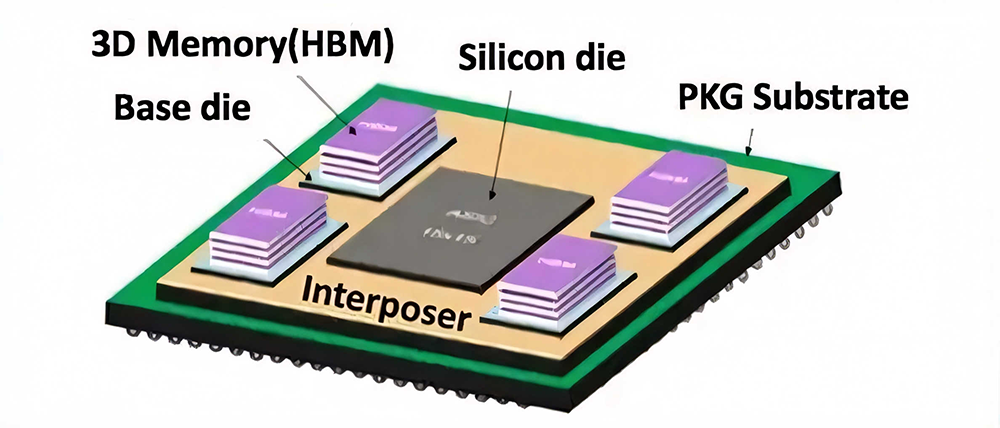
The so-called interposer PCB is a highly precise, high-layer arbitrary interconnection HDI PCB. It serves as a critical component for connecting and integrating different electronic components and acts as an intermediary layer for chip connections. It achieves electrical connections through pad leads and interconnects with the chip’s micro bumps (µBump) and the routing in the intermediary layer. The intermediary layer utilises through-silicon vias (TSV) to connect upper and lower layers.

The design characteristics of this PCB include inner layers connected to the outer layers through laser microvias and dense routing, resulting in a multi-structure with BGA connections on the top side and pad connections on the bottom side.
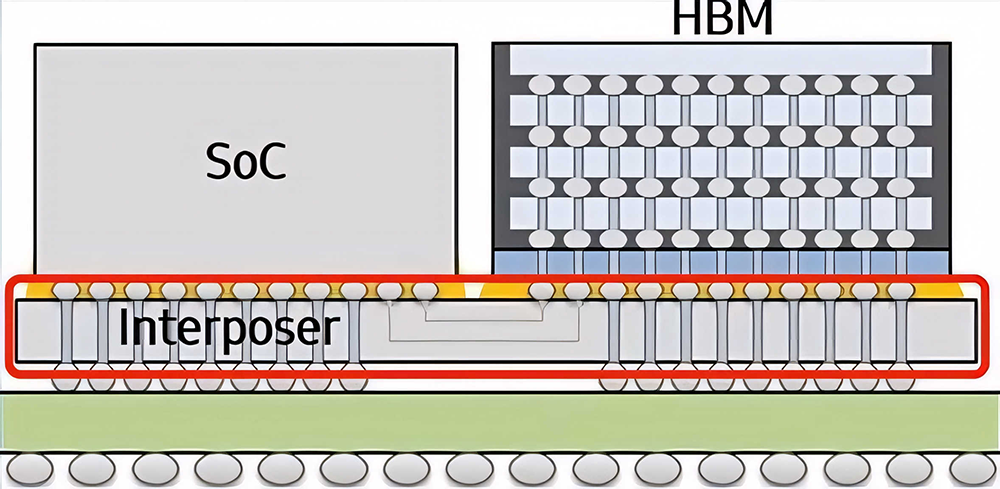
Interposer PCBs hold exceptional value and significance in improving various performance aspects of integrated circuits.

Firstly, interposer PCBs can provide higher connection speeds and reliability for semiconductor products. Made from high-performance materials, interposer PCBs enable short-distance, high-density connections between integrated circuits, significantly increasing chip data transmission rates.

Secondly, interposer PCB technology addresses signal integrity and power consumption issues. By utilising interposer technology, signal pins can be directly connected to the interposer layer, reducing the length of signal transmission paths, thereby minimising signal loss and enhancing signal integrity.

Thirdly, the interposer layer also serves a thermal management role, effectively reducing chip temperatures.

Finally, interposer PCB technology facilitates the connection between heterogeneous integrated circuits. By placing integrated circuits with different functions on the same interposer layer, it enables interconnections between various chips, thereby enhancing the overall performance and efficiency of semiconductor products.
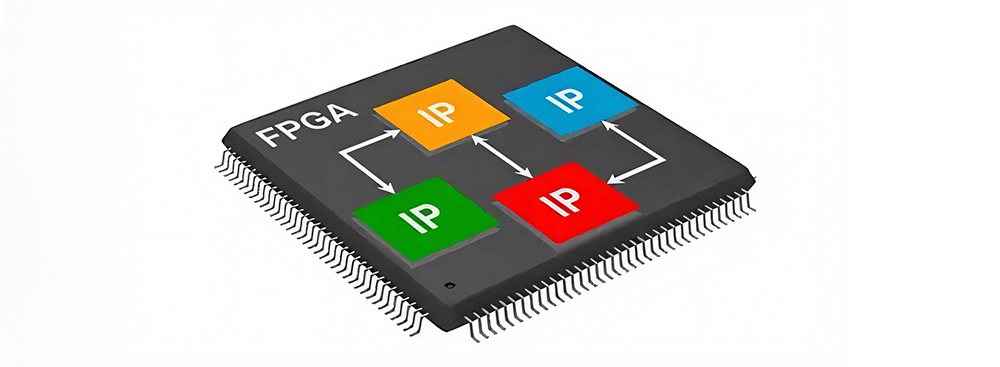
In conclusion, interposer PCBs are widely used in fields such as high-performance computing, artificial intelligence, data centres, and communications. In high-performance computing systems, interposer technology can connect multiple processing chips, enabling larger-scale computing capabilities. In the field of artificial intelligence, interposer technology facilitates interconnections between different chips, enhancing the training and inference speeds of neural networks. In data centre and communication applications, interposer technology provides higher transmission rates and bandwidth to meet the demands of big data processing and high-speed communication.

As a manufacturer of high-end HDI PCBs, PCBWay [hyperlink: https://www.pcbway.com] keeps pace with market trends. In response to the urgent demand from clients for high-order arbitrary interconnection (Anylayer) HDI boards, their product research institute has dedicated itself to overcoming technical challenges, ultimately achieving the successful development of high-layer, high-order arbitrary interconnection interposer PCBs.

The details of this high-precision circuit product using the 24-layer, 6-order Anylayer HDI PCB, as an example, is showcased below.

1. Product parameters
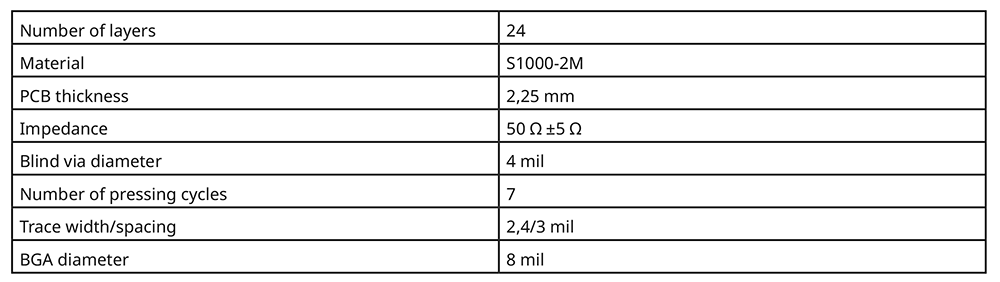
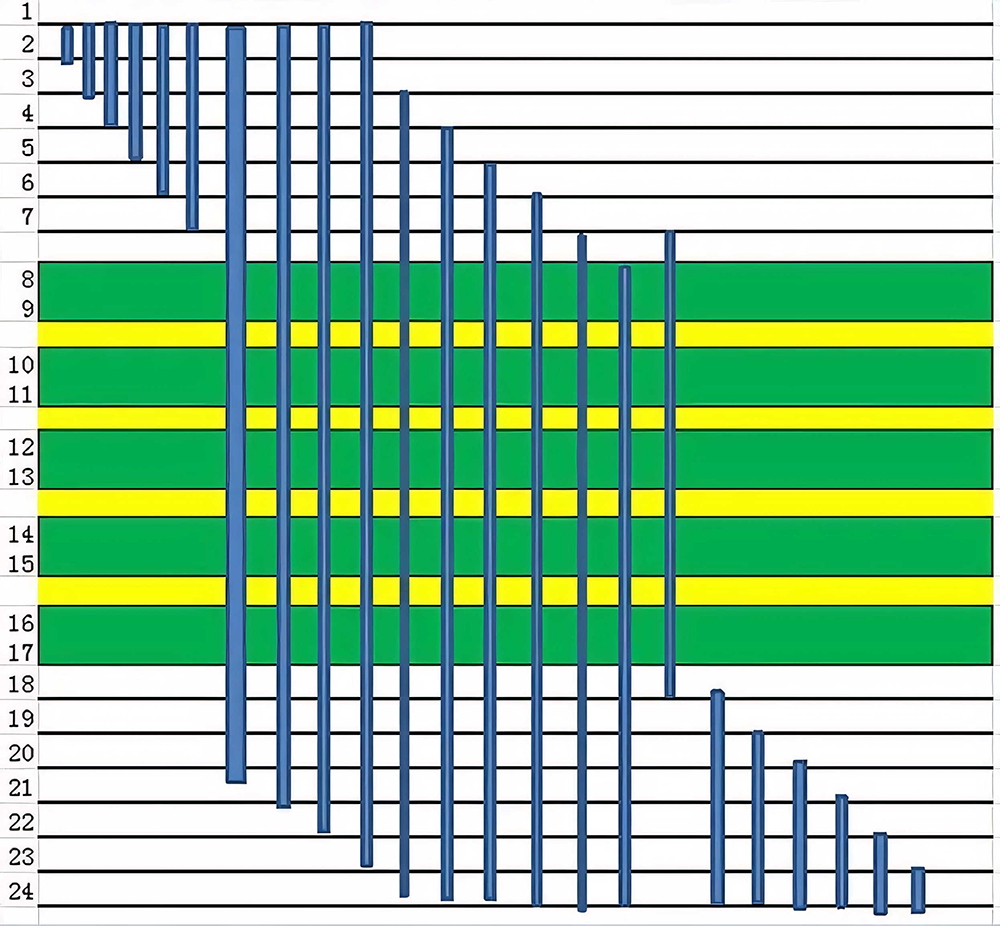
2. Product structure
3. Technical challenges

Challenge 1: The buried via PCB thickness from L7 to L18 is 1,0 mm, with a mechanical through-hole diameter of 0,1 mm, resulting in a hole aspect ratio of 10:1, making mechanical drilling difficult.

Challenge 2: The BGA pitch is 0,35 mm, and the distance from the hole to the conductor trace is 0,13 mm, which makes it easy for misalignment during multiple laminations.

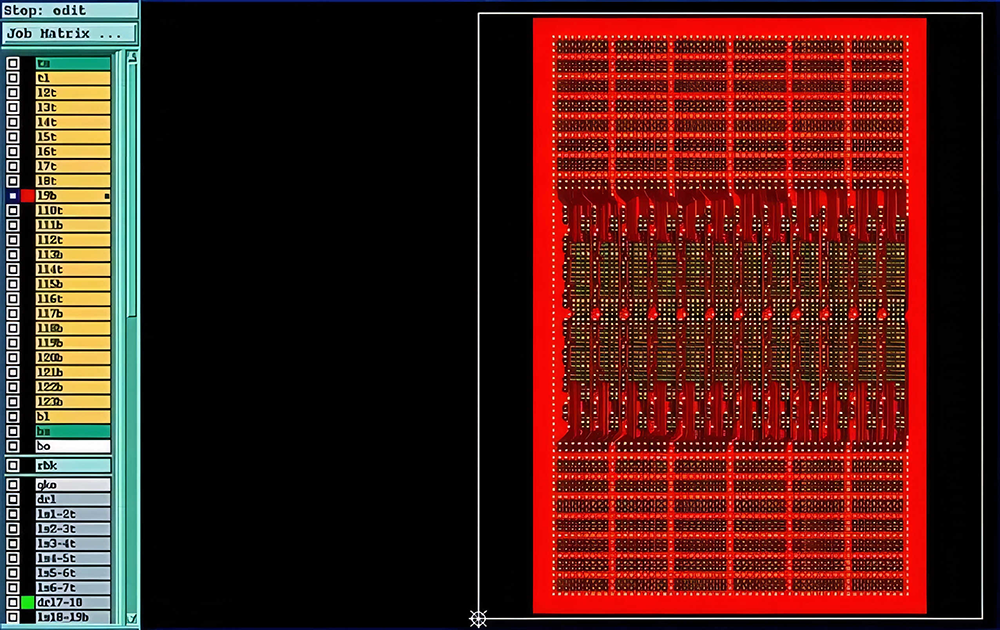
Challenge 3: The trace width/spacing is 2,4/3 mil, and it features dense routing. Below are some routing diagrams.
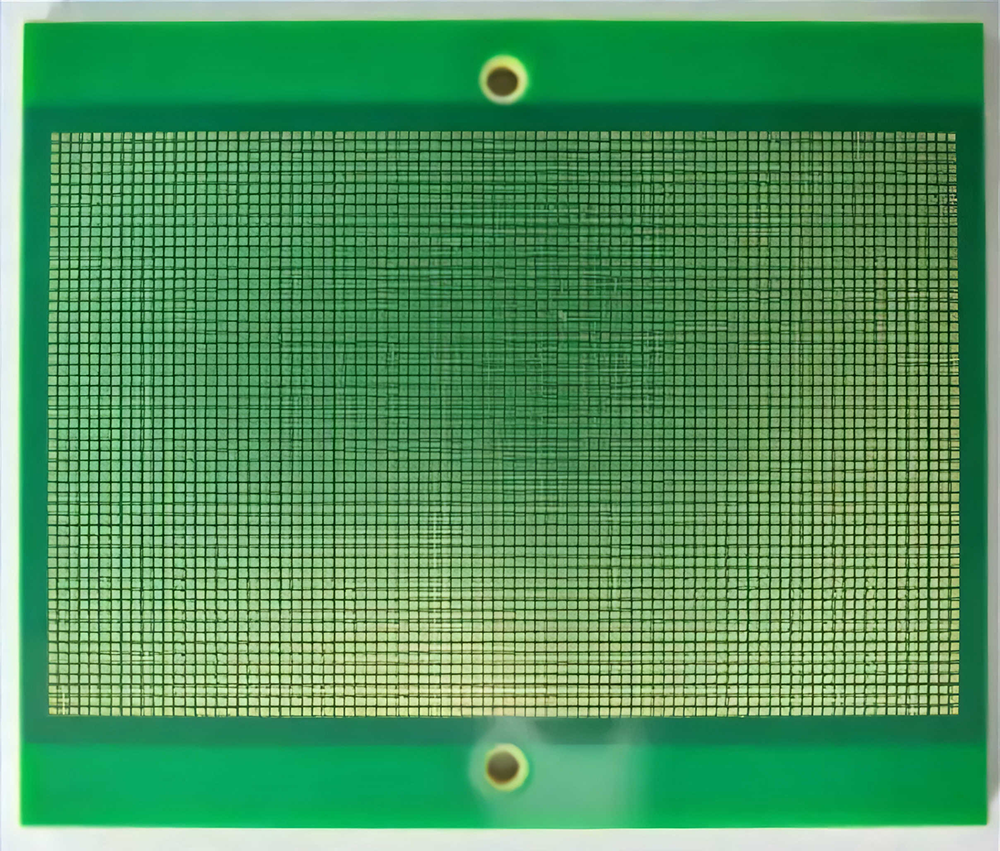
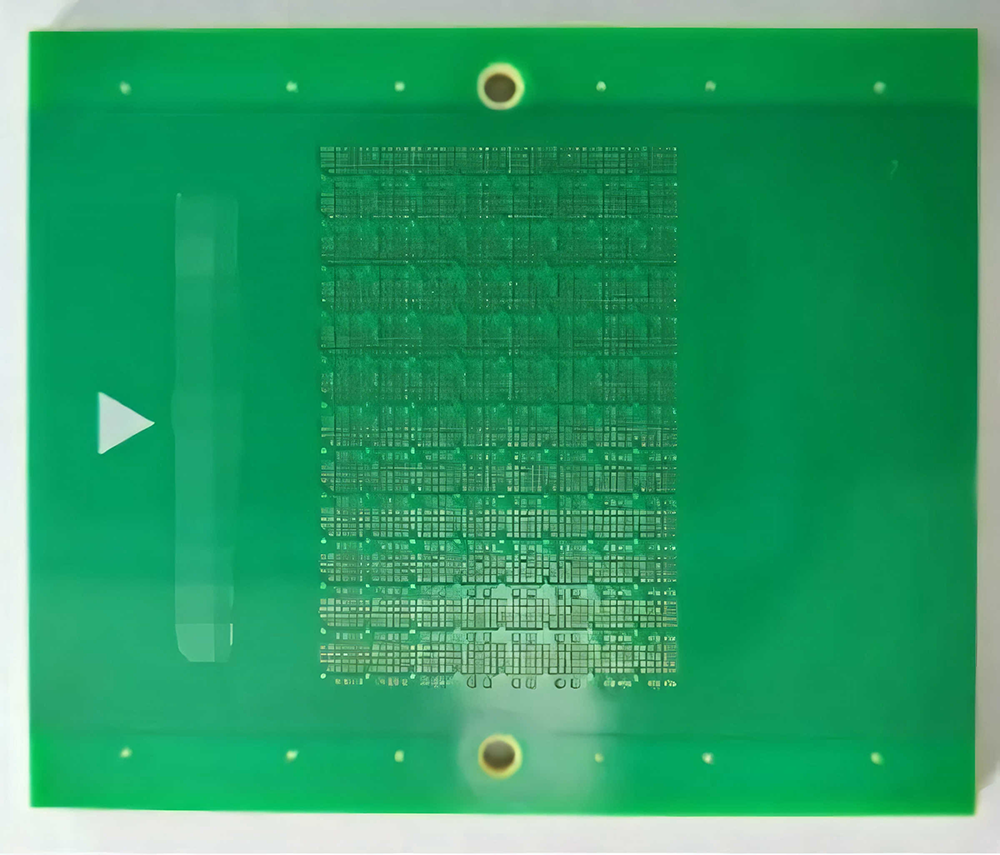
4. Finished product pictures
Credit(s)


Share this article:
Share via emailShare via LinkedInPrint this page

Further reading:

Outscale your competition
Manufacturing / Production Technology, Hardware & Services
Attendees will be able to explore the benefits of AMD Kintex UltraScale+ Gen 2 FPGAs in high-performance Pro AV, test & measurement, industrial, and medical applications.

Read more...
MTN SA Foundation drives youth pathways into the digital economy
Manufacturing / Production Technology, Hardware & Services
The MTN SA Foundation, in partnership with Helios Towers and Datacomb Development Hub, has launched the MTN–Helios Towers 12-month ICT Learnership Programme, a pathway that takes young South Africans from digital training into real workplace experience.

Read more...
Downstream demand, system reliability, and the expanding role of engineering-led distribution
Manufacturing / Production Technology, Hardware & Services
[Sponsored] As South Africa’s semiconductor demand continues to be shaped by downstream system deployment rather than upstream fabrication, the importance of engineering-led distribution will continue to grow.

Read more...
The impact of harsh environments and ionic contamination on post-reflow circuit assemblies
MyKay Tronics Manufacturing / Production Technology, Hardware & Services
There is well documented historical proof that post-reflow circuit assemblies, when subjected to harsh environments, are particularly vulnerable to failure mechanisms, but modern electronic assemblies are far more susceptible to this phenomenon.

Read more...
Engineering copper grain structure for high-yield hybrid bonding in 3D packaging
Testerion Editor's Choice Manufacturing / Production Technology, Hardware & Services
The way copper grains are sized and distributed forms the metallurgical foundation of hybrid bonding, enabling lower bonding temperatures, greater reliability, and stable grain structures throughout integration.

Read more...
Understanding solder dross: causes and control strategies
Truth Electronic Manufacturing Editor's Choice Manufacturing / Production Technology, Hardware & Services
Dross formation is an inevitable consequence of wave soldering. It occurs when molten solder comes into contact with oxygen, forming metal oxides that float on the surface of the solder bath. Over time, this oxidation byproduct accumulates and must be removed to maintain solder quality and process consistency.

Read more...
Non-destructive techniques for identifying defects in BGA joints – TDR, 2DX, and cross-section-SEM comparison
MyKay Tronics Manufacturing / Production Technology, Hardware & Services
This whitepaper reports the results of a comparison of the following techniques: TDR, automatic X-ray inspection (AXI), transmission X-ray (2DX), cross-section/SEM, and Dye & Pry.

Read more...
Implications of using Pb-free solders on X-ray inspection of flip chips and BGAs
MyKay Tronics Manufacturing / Production Technology, Hardware & Services
With the move to Pb-free soldering, most of the attention has been paid to reflow temperatures, component compatibility, and reliability concerns, but the implications for inspection, particularly X-ray inspection, are equally important and often underestimated.

Read more...
The causes of solder balls in robotic soldering
Manufacturing / Production Technology, Hardware & Services
Solder balls (also known as solder splatter) are a major concern in many production sites as they may potentially cause shorts, leading to long-term impacts on product reliability.

Read more...
Material challenges for superconducting quantum chips
Manufacturing / Production Technology, Hardware & Services
To achieve the scalable and repeatable production of superconducting circuits for quantum technology products, players in the industry are leveraging semiconductor fabrication techniques.

Read more...


While every effort has been made to ensure the accuracy of the information contained herein, the publisher and its agents cannot be held responsible for any errors contained, or any loss incurred as a result. Articles published do not necessarily reflect the views of the publishers. The editor reserves the right to alter or cut copy. Articles submitted are deemed to have been cleared for publication. Advertisements and company contact details are published as provided by the advertiser. Technews Publishing (Pty) Ltd cannot be held responsible for the accuracy or veracity of supplied material.


© Technews Publishing (Pty) Ltd | All Rights Reserved

