


As South Africa celebrates Women’s Month in August, women are increasingly taking their place on the factory floor, in technical workshops and across engineering environments, helping manufacture the infrastructure that keeps the country’s electricity network running.
Manufacturing and engineering have traditionally been viewed as male-dominated industries. Today, however, more women are choosing careers in technical fields, bringing fresh perspectives, valuable skills and greater diversity to workplaces that are helping shape South Africa’s future.
This transformation can be seen in the manufacture of Power Process Systems (PPS) new range of polypropylene pole-top boxes used to house smart prepaid electricity metering equipment. While the innovative product represents an important development for utilities, it has also provided valuable opportunities for young women beginning careers in manufacturing and electrical assembly.
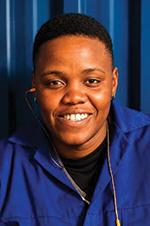
For Electrical Assembler Nomvula Ramalope and Wire Assembler Lindokuhle Zwane, working on the project has been about far more than producing electrical infrastructure. It has become an opportunity to develop technical expertise, build confidence and establish long-term careers within the engineering sector.
Learning through meaningful work
Like many young South Africans, both women understand the challenge of securing employment without years of previous experience. Working on the polypropylene pole-top box project has provided them with practical experience, while allowing them to contribute to products that support South Africa’s electricity distribution network.
Nomvula says the experience has strengthened both her technical abilities and personal confidence. “Working on the new range of polypropylene pole-top boxes has been a rewarding and valuable experience. As a young employee, I have been given the opportunity to contribute to the manufacture of an innovative product, while developing my technical skills and gaining practical industry experience.”
The opportunity has also provided financial independence, while allowing her to develop skills within a specialised manufacturing environment. For Lindokuhle, joining PPS directly after completing her electrical engineering studies created an important bridge between education and industry.
“Coming straight out of college and being given the chance to work on an innovative project has been both exciting and rewarding. PPS gave me an opportunity despite my limited industry experience, and for that I am truly grateful,” she says.

Breaking down barriers
Although engineering remains male dominated in many sectors, both women say their experiences have demonstrated that success depends on commitment, competence and a willingness to learn, rather than gender.
Nomvula believes greater female representation encourages more young women to consider careers they may never previously have imagined. “When young girls see women succeeding in technical roles, it helps break down stereotypes and encourages them to pursue similar opportunities,” she says.
Equally important has been the supportive workplace environment. Lindokuhle says her male colleagues have played an important role in her professional development by sharing their knowledge and encouraging continuous learning.
“They do not exclude women. Instead, they encourage us, include us and patiently teach us whenever we need guidance,” she says. Lindokuhle is currently preparing for her trade test as she works towards qualifying as an artisan before ultimately becoming a technician.
Investing in future skills
South Africa continues to face significant youth unemployment, while many technical industries experience shortages of skilled artisans and technicians. Creating opportunities for young people to gain practical workplace experience helps address both challenges simultaneously.
By investing in people alongside technology, companies help build a more resilient industrial base, while supporting broader economic growth. It not only strengthens local manufacturing capability, but also provides valuable skills development opportunities that prepare young employees for long-term careers within the engineering and manufacturing sectors.
Looking ahead
Women’s Month provides an opportunity to recognise, not only the achievements of women already working in technical industries, but also the importance of creating pathways for future generations. For Nomvula and Lindokuhle, working on PPS’s latest manufacturing project represents the beginning of careers built on continuous learning, technical excellence and growing confidence.
As more women enter engineering, manufacturing and electrical trades, they are helping reshape perceptions of these industries, while contributing directly to the infrastructure that powers South Africa’s homes, businesses and communities. Greater diversity ultimately strengthens workplaces, improves innovation and demonstrates that technical careers are open to anyone with the determination to learn, contribute and succeed.
For more information contact Michael du Toit, Power Process Systems, michael@ppspower.co.za,






© Technews Publishing (Pty) Ltd | All Rights Reserved
 printer friendly version